At a glance
- Type
- Purebred, FCI standard No. 218, Group 9 (companion dogs)
- Height
- Not set by the standard; typically about 15–23 cm
- Weight
- Ideally 1.5–3 kg; the standard accepts 500 g to 3 kg
- Life expectancy
- 14–16 years
- Coat
- Two varieties, smooth coat and long coat; any colour
- Grooming
- Smooth: a weekly brush · Long: brushing two or three times a week
- Exercise
- About 30 minutes a day, split into short walks
- With children
- Best with calm, older children; too fragile for toddlers
- In an apartment
- Ideal, if barking at the door is trained early
- Cyprus summer
- Likes warmth, but hot ground burns paws; walk early and late
- Our price
- from €1,350
About the Chihuahua
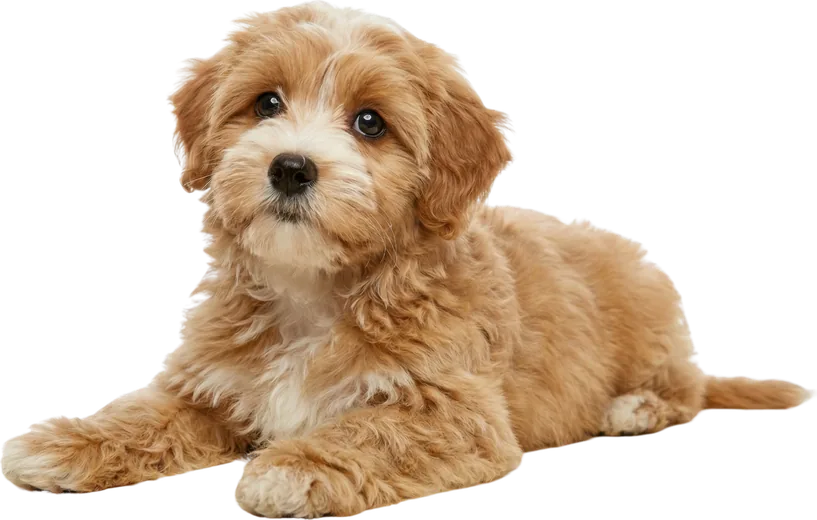
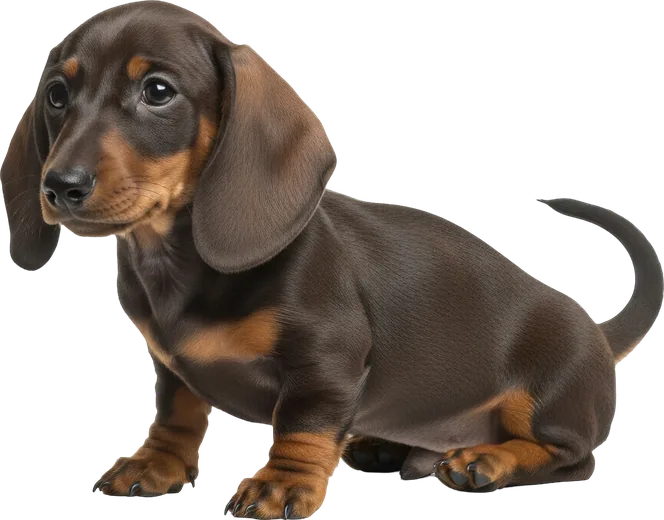
No pedigree dog is smaller. The Chihuahua carries the name of the Mexican state that made it fashionable in the late 1800s, and its ancestry probably runs back much further, to the Techichi kept in central Mexico centuries earlier. The apple-shaped head and the high, curved tail are the two features the standard treats as essential.
Nothing about the temperament is small. The standard describes a dog that is quick, watchful and remarkably brave, and owners will recognise all three — a Chihuahua will square up to a dog ten times his size and does not appear to notice the mismatch. Handled well he is confident, funny and closely bonded to his person. Handled as an ornament he becomes snappy and fearful, and that is almost always a training problem rather than a breed one. Socialise him like a real dog and he behaves like one.
Practically he is easy. Thirty minutes a day is plenty, an apartment is ideal, and the smooth coat needs no more than a weekly brush; the long coat takes a little more. He feels the cold quickly, so a coat on winter mornings is not an affectation.
Cyprus suits him — he handles warmth better than most — but he is small enough to overheat on hot pavement, so keep summer walks short and shaded. Twelve to sixteen years is realistic.
Origin, purpose and temperament follow the official FCI breed standard; exercise, grooming and family suitability follow The Royal Kennel Club (UK). Every puppy is an individual — ask us about the one you are considering.
Living with a Chihuahua in Cyprus
Sun lover, hot ground. Few toy breeds enjoy the Cyprus climate as much as the Chihuahua: in winter he follows the patch of sunlight across the room. In summer the danger is underfoot. A two-kilo body heats up within minutes, and a July pavement or sunny balcony can burn his pads. Walk before 8 in the morning and after sunset.
Cold tiled homes. Most Cyprus homes are built to stay cool, with tiled floors and little insulation, and inland the January nights drop to a few degrees. A Chihuahua carries almost no fat, and a smooth coat very little hair. If he trembles on a winter evening, he is usually cold, not nervous: a jumper for early walks and a covered bed raised off the tiles are basic kit.
Small enough to be prey. Birds of prey hunt over open ground, and stray cats and loose dogs live in most neighbourhoods. A Chihuahua backs down from none of them. Keep him on a lead and never alone in the garden. Evening walks also fall in sandfly hours: from about May to October they spread leishmaniasis, so ask your vet which repellent is safe at his weight. For ticks, see our puppy care sheet.
Head, knees and teeth. Many Chihuahuas have a molera, a soft spot on top of the skull that may never fully close, so stroke the head rather than patting it. Slipping kneecaps are common: give him steps up to the sofa and bed. Brush his teeth from puppyhood: so many teeth in so small a jaw collect tartar fast.